
Introduction
Releasing a great song is step one, not the finish line. Artists still struggle to get heard without clear positioning, distribution, promotion, creative assets, and a team that follows through week after week.
Here's the misconception that trips up a lot of artists: signing with a label doesn't automatically mean publicity, playlist placement, radio spins, bookings, or career growth. What a label actually delivers depends on the deal, the budget, and the campaign plan behind it.
This guide breaks down what label promotion really looks like, the stages of a release campaign, the channels that matter, and how to prepare—whether you're pitching a label or building momentum on your own.
Key Takeaways
- Label promotion works best when DSP pitching, radio, publicity, social, and partnerships run as one coordinated plan.
- Distribution gets your music on platforms; marketing and promotion get people to notice it.
- A consistent artist identity and visual system makes every release easier to push across streaming, social, press, and live.
- Before signing, confirm deliverables, ownership, budget responsibility, recoupment terms, and creative approval rights.
What Record Labels Actually Handle
A record label's core job is investing in, packaging, releasing, distributing, marketing, and monetizing recorded music. Exact services still differ across major labels, independent labels, distributors, and label-services companies. None of these are interchangeable, even though artists often talk about them like they are.
A&R, Marketing, Publicity — Not the Same Job
A&R finds and develops talent and connects artists with producers and songwriters. Marketing builds the campaign strategy. Publicity chases press coverage.
Billboard's breakdown of label A&R notes that A&R reps also help internal teams understand an artist's sound and target audience. That work is a different function from booking tour dates or pitching blogs.
One artist often needs several specialists instead of one label contact for everything. Agencies like Best of the Block (founded in 2002) sit in that gap as a record-label back office, covering marketing, branding, publicity, touring, and management so artists and imprints are not juggling five disconnected vendors.
Pre-Release and Post-Release Duties
Before a release, a label (or label-services partner) typically handles:
- Selecting and sequencing singles
- Setting the release schedule and metadata
- Coordinating masters and approving creative assets
- Building the campaign narrative
After release, the work shifts to:
- Monitoring performance data
- Coordinating follow-up content
- Chasing press and radio opportunities
- Deciding whether to extend the campaign or pivot
Rights, Royalties, and Who Owns What
Sound recordings and musical compositions are legally two separate copyright works, according to the U.S. Copyright Office. In practice, that means the master recording and the underlying song (the composition) can have completely different owners, royalty structures, and licensing rules. Before signing anything, review these terms with a qualified music attorney:

- Royalty splits
- Recoupable expenses
- Term and territory
- Delivery obligations
Guesswork here is expensive.
How a Release Marketing Campaign Works
A solid release campaign runs in three phases: pre-release, release week, and post-release. The messaging should stay consistent across every channel, not reinvent itself each week.
Pre-Release: Build the Foundation
This is where most of the real work happens:
- Finalize the master and metadata so DSPs can ingest cleanly
- Choose the focus track that will carry the campaign
- Prepare cover artwork and short-form assets for every channel
- Set up distribution and pitch to eligible DSP editors on time
- Build a press list and content calendar before the drop
Spotify recommends delivering music at least seven days before release to be considered for algorithmic placements like Release Radar. Apple Music asks for editorial pitches at least ten days out for full consideration.
Release Week: Coordinate, Don't Repeat
Release week means syncing streaming links, social posts, email or SMS blasts, interviews, and creator outreach. Do it without posting the same graphic five different ways.
Spotify's Campaign Kit case study on artist Jillian Rossi shows how this works in practice. Her team layered Discovery Mode with waterfall singles pre-release, then ran overlapping Showcase and Marquee campaigns during release week. The album eventually surpassed 100 million streams, and listeners exposed to the Marquee ad streamed roughly 30 times more than those who weren't.
Post-Release: Keep the Campaign Alive
Don't let the campaign die on release day. Keep sharing performance clips, behind-the-scenes footage, remixes, and press wins for weeks afterward.
Track these indicators along the way:
- Audience growth and repeat listening
- Saves and playlist adds
- Content engagement and mailing-list growth
- Press placements and conversion from content to streams or ticket sales
When the campaign wraps, compare results against your original goal, identify your strongest channel, and document what worked. Adjust the next release instead of chasing every platform trend.

Promotion Channels That Build Awareness
Awareness grows when each channel does a specific job: clean delivery on DSPs, credible press, owned social, and radio or live proof. Skip the shortcuts; stack the channels that compound.
DSP Promotion (Without the Shortcuts)
Timely delivery, complete metadata, and legitimate editorial pitching matter far more than any playlist "guarantee" scheme. Spotify explicitly prohibits artificial streaming: bots, scripts, or paid services that promise streams or placement.
Artificial streams create real damage:
- No royalties paid on fake plays
- No chart credit for inflated numbers
- Risk of tracks pulled or accounts suspended
Publicity and Media Outreach
A targeted list of relevant blogs, podcasts, radio stations, and newsletters beats a mass email every time. Best of the Block's publicity work leans on relationships with independent and major print, blog, TV, and radio outlets—the kind of access that comes from 27 years in the room, not a spreadsheet of cold contacts.
Social and Community Marketing
Artist-led storytelling, short-form video, and direct fan communication outperform trend-chasing that has nothing to do with the music. Practical moves that hold up:
- Post release-week clips tied to the actual record, not random trends
- Reply in-comments and DMs so fans get a direct line to the artist
- Keep a steady cadence; one viral spike rarely replaces consistent output
Radio and Live Activity
College, community, and specialty radio still matter, especially for genre-specific audiences. Live dates and promo runs give that airplay somewhere to land.
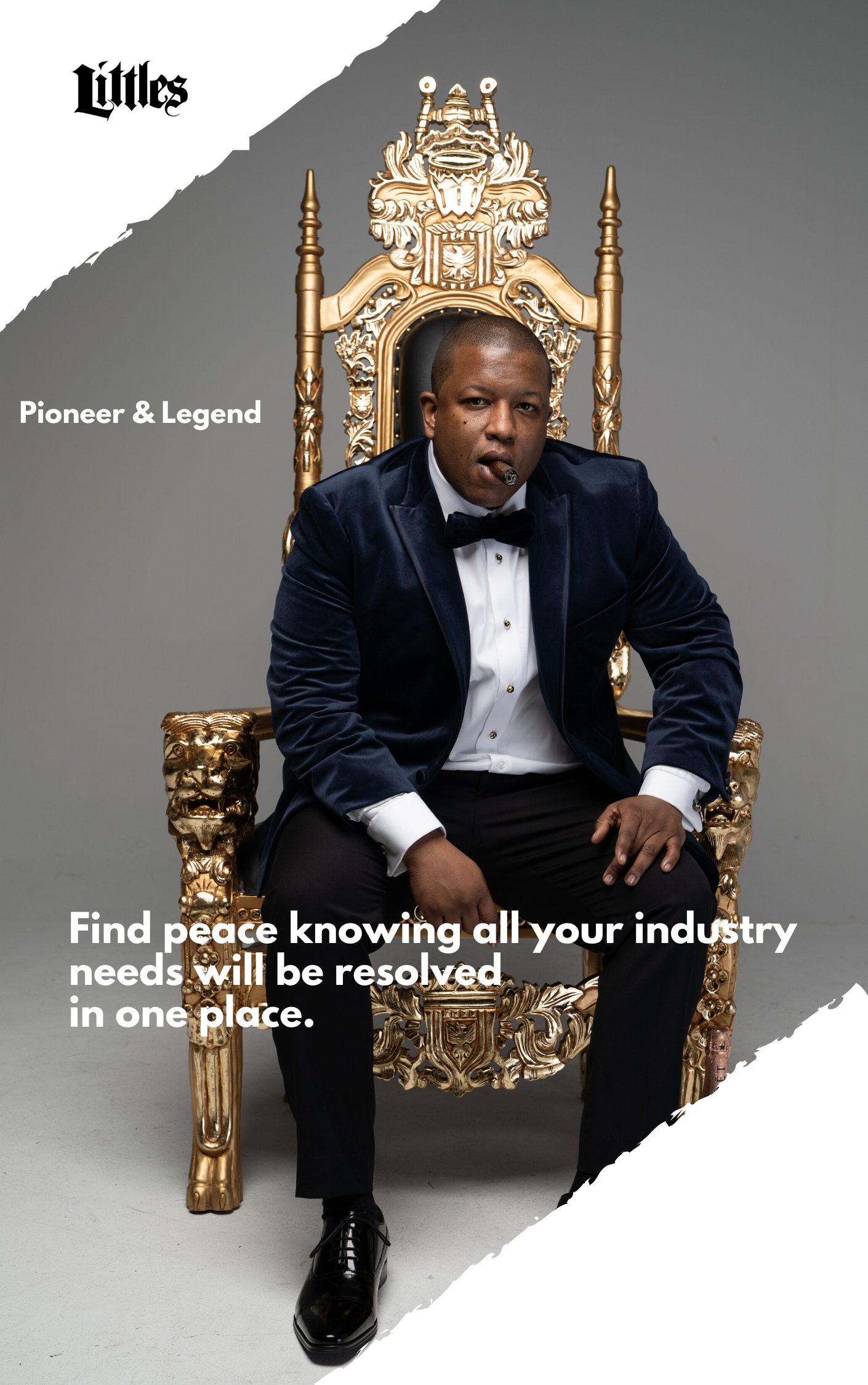
Best of the Block's founder, Alfredo "Littles" Bryan, has worked this lane directly. In 2004 he served as Senior VP of Mobb Deep's Infamous Records/Jive Records imprint. He acted as liaison between the group, the label, radio, TV, and magazines, and personally booked roughly half of Mobb Deep's 112-date promotional tour.
Visual Identity and Creative Assets
Cover art, typography, color, photography, and social templates should all tell the same release story, not five different stories by platform.
A practical asset checklist for a single or project:
- Platform-compliant cover art and profile imagery
- Vertical video and announcement graphics
- Press images and a concise bio
- Logos or wordmarks (for labels and imprints)
- One-sheets, EPK assets, and ad creatives sized for each channel
A reusable creative system lets one release concept flex across:
- Streaming profiles and playlist pitching kits
- Social posts and short-form video frames
- Press outreach and live/show promotion
You build the system once, then adapt it instead of redesigning from scratch for every channel.
That consistency is hard to hold when rollout, press, and social all move on different clocks. Best of the Block supports artists, labels, and entertainment projects with branding and creative assets as part of broader marketing and project work.
Portfolio examples include mixtape artwork such as Drumma Boy's "I'm On Worldstar" cover, promotional posters, and logo work tied to labels including Sony Music, Atlantic Records, and Universal Music Group. The focus is distinctive creative presentation. Design alone does not guarantee chart results, press hits, or label placement.

How Artists Can Become Label-Ready
What to Have Ready Before You Reach Out
- Finished or near-finished music that represents your sound
- A defined genre and audience position
- Accurate credits and metadata
- Professional visuals and a concise bio
- Live streaming and social links, plus a clear release window
What Labels Are Actually Looking For
A&R teams still care more about craft and identity than raw stream counts. Top signing signals include:
- A distinct vocal and point of view
- Originality and a clear artist identity
- Consistent release activity
- Real fan engagement, not just vanity metrics
- Live experience and proof you can finish a campaign
Build a Real EPK
Your electronic press kit should lead with your strongest song and include a short bio, 3-5 high-res photos, a few video links, and any press or radio coverage you've earned. Skip the inflated claims. Labels spot them fast.
Ask Before You Sign
Before agreeing to any deal, get clear answers to:
- What promotion is promised, specifically?
- Who pays for which services?
- Which rights are licensed versus assigned?
- How are expenses recouped?
- Who controls creative approvals?
- What happens if the label doesn't actively market the project?
You Don't Need a Label to Build Momentum
Independent artists can combine distribution, direct-to-fan tools, specialist marketing, and disciplined release planning to build real traction. Artists like TSE Rizzle have used Best of the Block for rollout and management support instead of waiting on a traditional deal. Bring in outside help when you need relationships or campaign expertise you cannot build in time for the release.
Frequently Asked Questions
How do record labels promote artists?
Labels use digital service providers (DSPs), playlist pitching, radio, publicity, social campaigns, partnerships, and creative assets to build awareness around a release. Exact services vary significantly by label and contract terms.
How do I get picked up by a record label?
Strong music, a clear identity, professional assets, and accurate audience information matter more than streaming numbers alone. Research the label's roster, then send a personalized submission.
What does a record label do for an artist?
A label may fund, release, distribute, market, promote, and monetize recordings. Management, booking, publishing, and publicity are often handled by separate professionals.
What is the difference between music marketing and music promotion?
Marketing is the broader strategy — positioning, audience research, and campaign planning. Promotion covers the specific tactics used to generate awareness, like pitching, publicity, and airplay.
Can independent artists promote music without a record label?
Yes. Distributors, direct-to-fan channels, publicity, social content, and specialist creative support can all replace what a label would provide. It just requires more time, budget, and hands-on expertise from you.