
Introduction
Many event organizers chase a big name, skip routing and tech checks, and end up over budget with a mismatched bill. Concert talent only works when the act fits your event, audience, venue, date, budget, and production plan.
Even a ranked hold on a date can be challenged or released before anything is signed. That gap between "interested" and "confirmed" is where budgets slip and shows fall apart.
This guide is for venue owners, event organizers, promoters, brands, independent labels, artist managers, and self-managed artists.
You'll get the industry roles, a step-by-step booking process, deal structures and contracts, logistics, and what to lock down before you send the first inquiry.
Key Takeaways
- Match artist, audience, venue, date, budget, and tech plan—or the booking is likely to fail.
- Talent buyers, agents, and promoters have distinct roles; on smaller shows, those lines often blur.
- A booking is final only with a written offer, signed contract, rider, deposit schedule, and settlement terms.
- Finish a full booking brief before outreach to cut delays, misfits, and dead-end offers.
What Is Concert Talent Booking?
Concert talent booking is the process of identifying, approaching, negotiating with, contracting, and coordinating performers for a concert, festival, venue program, private event, or brand activation. It's a commercial negotiation wrapped around a creative decision, and both sides matter equally. The objective behind a booking shapes almost every decision that follows. You might be booking talent to:
- Sell tickets and fill a room
- Reach a specific target audience
- Support a brand message or activation
- Launch a release or mark a cultural moment
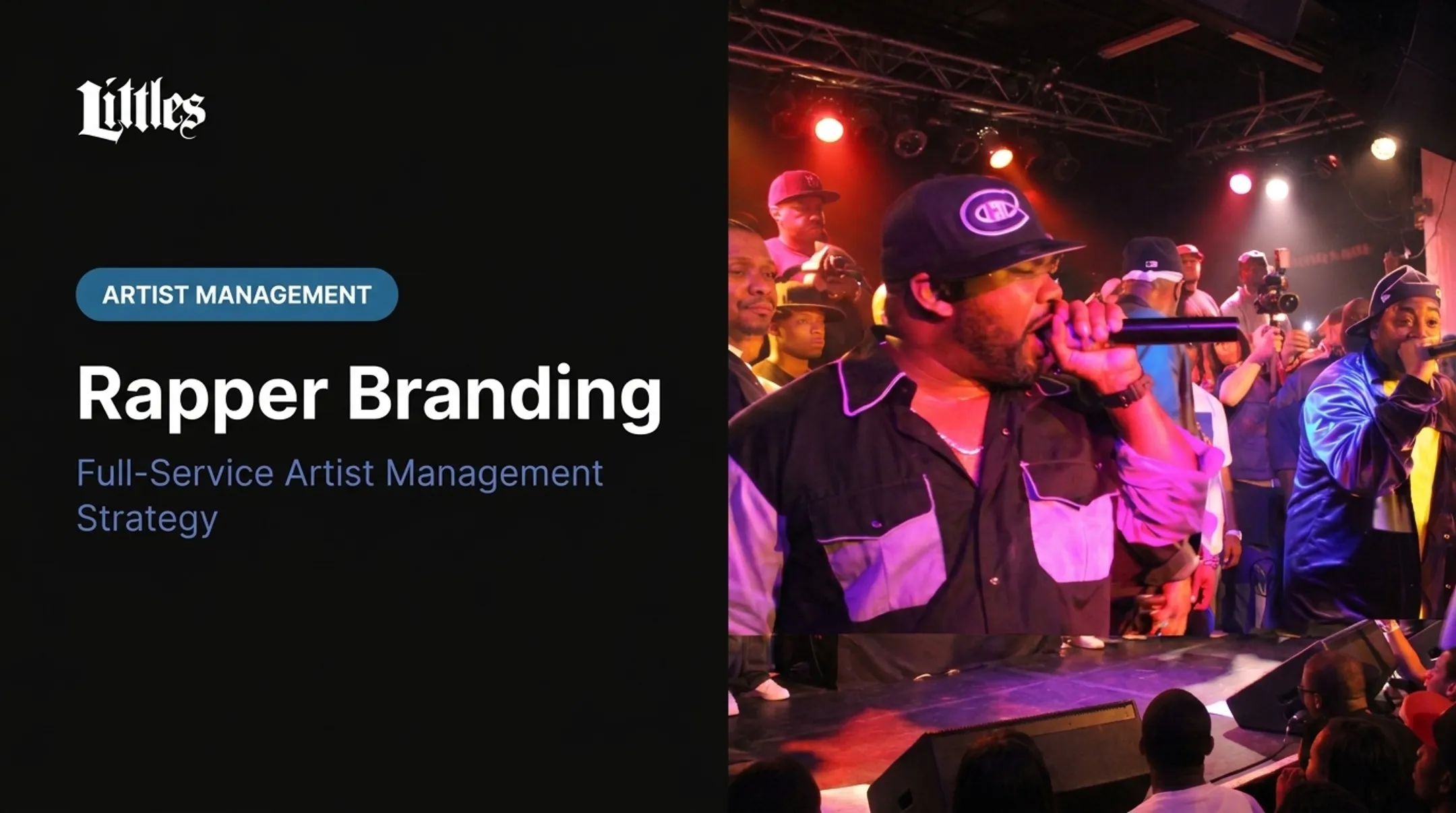
- Strengthen a venue's ongoing programming Take Raekwon's Only Built 4 Cuban Linx… Pt. II release party at Santos Party House, a show that Best of the Block coordinated, drawing on 27 years in the music industry. The event featured Ghostface Killah, Method Man, Beanie Sigel, Talib Kweli, Slick Rick, Busta Rhymes, and Lyfe Jennings, plus an MTV live taping. That's not a standard ticket-driven booking. It's talent selected to support a release and create a media moment, which changes how you'd approach the lineup, the venue, and the schedule.
Booking Is Not the Same as Production
Booking secures the artist. It doesn't automatically cover production, marketing, ticketing, security, or venue operations. According to Berklee's overview of the concert promoter role, a promoter funds, organizes, markets, and executes the concert while taking on financial risk. That work sits separate from booking and is often coordinated alongside it. Artist popularity alone doesn't guarantee a good booking. You also need to weigh:
- Audience fit and performance format
- Availability, routing, and event scale
- Technical requirements and whether the numbers work Document your assumptions early: desired date, venue, set length, exclusivity expectations, travel needs, and your decision deadline. Skipping this step is where most booking headaches start.
Who Is Involved in Concert Talent Booking?
Three roles anchor most bookings, though on smaller or independent shows, one person can wear multiple hats.
The talent buyer selects artists for a venue or event, manages the entertainment budget, makes the offer, negotiates terms, and coordinates with the artist's representatives. According to Berklee's talent buyer profile, the role can also cover marketing, ticket pricing, and concessions, depending on the employer.
The booking agent represents the artist. They present availability, communicate the fee and requirements, negotiate on the artist's behalf, and move the agreement forward. Agents also build relationships across talent buyers, promoters, and festival organizers to keep an itinerary full.
The concert promoter handles positioning, ticket sales, advertising, and audience development, and carries financial responsibility for the show itself.
Supporting Participants
Around these three core roles, you'll typically find:
- Artist managers and venue programmers
- Event producers and production managers
- Publicists and ticketing providers
- Security teams and hospitality coordinators
- Legal or accounting advisers
Alfredo "Littles" Bryan, founder of Best of the Block, worked in this same web of relationships on Mobb Deep's 2004 tour. He handled national and international routing and acted as liaison between the group, Jive Records, outside labels, vendors, promoters, radio, television, and magazines.
That kind of coordination is normal on a real booking, not an exception.

Who should you actually contact?
- Venue or event side: Start with the talent buyer or promoter.
- Artist side: Go through the booking agent or manager for availability and representation.
Job titles vary by company and event, so confirm early who owns:
- Marketing and ticket sales
- Production, travel, and hospitality
- Insurance, permits, and settlement
- Artist communications
How Does the Concert Talent Booking Process Work?
The process runs through six stages. Skip one and problems usually show up later—in availability, cost, or show-day execution.
1. Build the Booking Brief
Before contacting anyone, define your event type, date options, venue or market, capacity, expected audience, genre, performance format, budget range, and event objective. This document becomes your reference point for every conversation that follows.
2. Shortlist and Prioritize Artists
Compare candidates on audience relevance, availability, performance history, event scale, routing, technical demands, and any scheduling conflicts or exclusivity terms already in play.
3. Find the Right Representative and Send a Professional Inquiry
Your inquiry should include event details, proposed date, venue, ticketing or attendance plan, the compensation structure you're considering, and a response deadline. According to AAE Music's described booking process, an agency typically matches the client with an agent, develops recommendations, and confirms availability. It then submits a firm offer before negotiating final terms.
4. Negotiate the Offer
The offer stage should spell out every commercial and production term, not leave them assumed:
- Artist fee and performance length
- Billing and support acts
- Travel, accommodation, and ground transport
- Hospitality and production
- Merchandise, cancellation terms, and settlement expectations
5. Confirm the Booking
There's a real difference between:
- A preliminary hold
- A verbal agreement
- A signed offer
- A fully executed contract with a deposit
None of these are equivalent. A hold can be challenged and released before a date is locked, so treat only the signed contract and deposit as final confirmation.
6. Advance and Deliver the Show
Advance work locks in the operational details before doors open:
- Technical and hospitality riders
- Stage plot and soundcheck
- Credentials, arrival schedule, and transport
- Backstage access, payment documentation, and show-day communication
After the performance, settlement accounts for ticket income, production overhead, and merchandise deductions.

What Should You Budget, Negotiate, and Confirm?
The artist fee is rarely the whole story. Budget for these categories too:
- Venue expenses and production (sound, lighting, staffing)
- Travel, accommodation, and hospitality
- Insurance and permits
- Marketing and ticketing
- Security
- Taxes and rights fees
- A contingency line for surprises
Common Deal Structures
| Structure | What it means | What to clarify |
|---|---|---|
| Flat fee / guarantee | A fixed payment regardless of ticket sales | Payment timing, deposit, expenses, cancellation terms |
| Percentage / door deal | Artist receives a share of ticket sales, often after the venue's costs ("house nut") are deducted | Gross vs. net sales, allowable deductions, settlement records |
| Versus deal | Guarantee or percentage, whichever is higher | How net sales are calculated and compared |
| Guarantee plus backend | Fixed guarantee plus a percentage of revenue above that guarantee | Revenue base and accounting/inspection rights |
Your offer sheet should capture:
- Artist and event details, date, and location
- Ticket prices and capacity assumptions
- Compensation, allowances, and production responsibilities
- Marketing commitments and a payment schedule
- Cancellation terms and any backend arrangement
Don't treat an offer casually. Acceptance can create an obligation to pay a deposit or move straight to a contract, so get legal advice before signing anything binding or high-value.
What the Contract Should Cover
According to Romano Law's breakdown of live music agreement clauses, a solid contract should address:
- Payment timing and taxes
- Cancellation and force majeure
- Exclusivity, recording, and livestream rights
- Name and likeness permissions
- Merchandise, insurance, and indemnification
- Conduct provisions and dispute procedures
Riders deserve their own attention. Figure out which items are mandatory versus negotiable, who pays for what, and which team (production or hospitality) is responsible for fulfillment before show day arrives.
How Should You Prepare a Booking Request and Promote the Event?
A strong inquiry saves everyone time. Before reaching out, have this ready:
- Confirmed or flexible dates
- Venue details and audience profile
- Event concept and expected attendance
- Budget range and artist shortlist
- Contact person and decision timeline
- Required tech, hospitality, or contract deliverables
When you write the inquiry, include:
- A clear subject line
- A concise event summary
- Complete commercial details
- A realistic response deadline
- Links to venue or event materials
Vague inquiries get vague responses—or none at all.
Coordinating Talent and Promotion
Once talent is confirmed, give promotion teams the assets they need:
- Approved artist names and imagery
- Agreed billing language and announcement timing
- Ticketing details and media plans
- Social assets and sponsor requirements
Don't use unreleased artwork or unconfirmed names in promotion. That's how bookings unravel publicly.
Bring in creative support after the booking direction is set—not before. Best of the Block can supply promotional posters, artist graphics, cover artwork, and visual identity assets for music and entertainment projects, including work such as the album cover for Raekwon's Only Built 4 Cuban Linx… Pt. II and promotional art for releases like Unstoppable.

Sharp visuals strengthen the announcement. They still don't replace talent buying, artist representation, legal review, event production, or the promotional work that drives ticket sales.
Frequently Asked Questions
What is concert talent booking?
Concert talent booking is the process of identifying, negotiating with, contracting, and coordinating a performer for a concert, festival, or event. It covers everything from the first inquiry through show-day logistics.
What is the difference between a talent buyer and a booking agent in the context of concert booking?
The talent buyer typically represents the venue or event and decides which acts to book. The booking agent represents the artist and negotiates on their behalf. On smaller events, one person may handle both sides.
How do I start booking an artist for a concert?
Prepare a booking brief, identify the artist's authorized representative, and submit your proposed date, venue, audience, event details, and budget range. Skipping the brief usually leads to slower, less productive conversations.
What information should I include in a concert booking inquiry?
Include the proposed date, location, venue, event type, audience, performance requirements, your compensation approach, production needs, and a response deadline. Complete inquiries get faster, more serious replies.
What costs should I consider when booking concert talent?
Beyond the artist fee, budget for travel, accommodation, production, hospitality, marketing, staffing, insurance, permits, ticketing, rights fees, taxes, and a contingency fund. These often add up to more than the fee itself.
What is the difference between a guarantee and a door deal?
A guarantee is a fixed payment regardless of ticket sales. A door deal ties compensation to ticket revenue, often after venue deductions. Exact splits and settlement terms always depend on the specific agreement.